How Swimming Became My Recovery Game-Changer
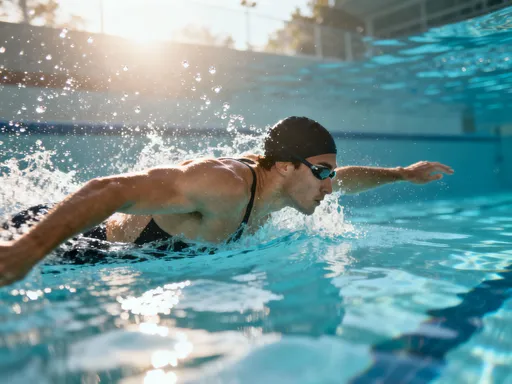
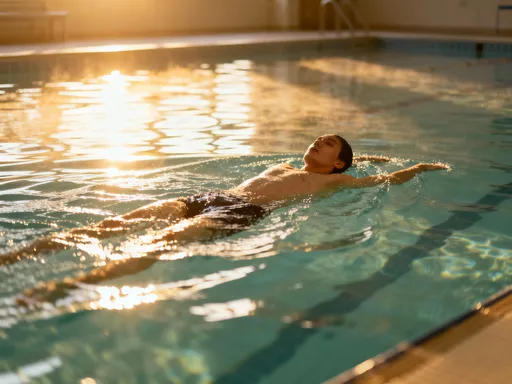
After a tough injury, I was desperate for a way to heal without putting more stress on my body. That’s when I discovered swimming—not just as exercise, but as a true rehabilitation tool. Unlike land-based workouts, it supported my joints while rebuilding strength. Over time, I saw real progress: better mobility, less pain, and renewed confidence. This is why more professionals are turning to water therapy—not as a shortcut, but as a science-backed path to recovery. What began as a necessity soon became a lifelong practice, offering both physical restoration and emotional balance. For countless individuals navigating the slow road back from injury, swimming is emerging not just as an alternative, but as a transformative force in healing.
The Hidden Power of Water in Healing
Water has long been recognized for its soothing and restorative qualities, but in the field of rehabilitation, it plays a far more active and scientifically grounded role. Aquatic therapy, also known as hydrotherapy, leverages the unique physical properties of water—buoyancy, resistance, and hydrostatic pressure—to create a therapeutic environment that supports healing in ways land-based therapy often cannot. These properties work together to reduce strain on injured tissues while promoting movement, strength, and circulation. Because water supports up to 90% of the body’s weight depending on immersion depth, it dramatically reduces the impact on joints and bones, making it ideal for individuals recovering from surgery, trauma, or chronic conditions.
Buoyancy is perhaps the most significant factor in aquatic healing. When submerged in water, the body experiences a lifting force that counteracts gravity. This allows people with limited mobility or weight-bearing restrictions to move more freely than they could on land. For someone recovering from a hip replacement or spinal injury, this means they can begin rehabilitation earlier and with less pain. Hydrostatic pressure—the force exerted by water on the body—also contributes to reduced swelling and improved circulation. As water presses evenly against the skin, it helps move fluid from swollen areas back into circulation, which can accelerate the healing process. This effect is particularly beneficial for patients dealing with edema or post-surgical inflammation.
Resistance is another key component. Unlike air, water provides natural resistance in all directions, which strengthens muscles without requiring weights or machines. This resistance increases with speed, meaning that movements can be adjusted to match a person’s current ability—slow and gentle for early recovery, more dynamic as strength improves. This self-regulating nature makes aquatic therapy adaptable to a wide range of conditions. Physical therapists often use this principle to design progressive programs that challenge the body safely. From shoulder injuries to lower back pain, the controlled resistance of water allows for functional strengthening without the risk of re-injury.
Hydrotherapy is now a standard component of rehabilitation in many clinical settings. Hospitals, outpatient clinics, and specialized wellness centers incorporate pool-based programs for patients recovering from strokes, joint replacements, and sports injuries. The American Physical Therapy Association recognizes aquatic therapy as an evidence-based intervention, particularly for individuals with arthritis, neurological disorders, or post-operative limitations. Its ability to combine cardiovascular conditioning, flexibility training, and strength building in a low-impact environment makes it one of the most versatile tools in modern rehabilitation. For many, it is not just a phase of recovery—but a gateway to long-term physical resilience.
Why Traditional Exercises Fall Short in Recovery
While traditional land-based exercises like walking, stretching, and resistance training are often recommended during recovery, they come with inherent limitations that can hinder progress—especially in the early stages of healing. On land, gravity is a constant force that places stress on joints, bones, and soft tissues. For someone recovering from an injury or surgery, even low-impact activities like walking can cause discomfort or lead to setbacks if performed too soon or with improper form. The risk of re-injury is real, and many patients find themselves caught in a cycle of progress and pain, where each attempt to regain strength is met with flare-ups or stiffness.
Weight-bearing exercises, while essential for building bone density and muscle strength over time, are not always appropriate immediately after an injury. For example, someone recovering from a knee ligament repair may be advised to avoid putting full weight on the affected leg for several weeks. Yet, without movement, muscles begin to atrophy, and joint stiffness increases. This creates a difficult paradox: the body needs movement to heal, but movement on land can be too stressful. As a result, many patients delay starting rehabilitation or perform exercises at suboptimal intensity, slowing their recovery timeline. Clinical observations show that patients in land-based programs often take longer to regain full range of motion and are more likely to develop compensatory movement patterns that can lead to secondary injuries.
Comparative studies between land-based and aquatic rehabilitation programs reveal significant differences in outcomes. Research published in peer-reviewed journals indicates that patients in aquatic therapy programs report less pain during exercise, greater adherence to treatment, and faster improvements in mobility and strength. One study focusing on post-orthopedic surgery patients found that those who participated in water-based therapy regained functional independence an average of two to three weeks earlier than those in traditional programs. Physical therapists attribute this to the ability to perform full-range movements in water without pain, allowing for earlier activation of muscles and joints. The reduced fear of falling or causing further damage also encourages patients to engage more fully in their recovery.
Another limitation of land-based rehab is the difficulty in isolating specific muscle groups without straining others. On land, exercises often require complex coordination and stability, which can be challenging for individuals with neurological impairments or poor balance. In water, the supportive environment allows for more controlled and isolated movements. For instance, a person with limited leg strength can perform leg lifts with minimal risk of losing balance, thanks to the surrounding water. This precision in movement helps build neuromuscular connections more effectively. Additionally, the feedback from water resistance helps patients become more aware of their body positioning, which is crucial for relearning proper movement patterns after injury.
How Swimming Supports the Body Without Strain
Swimming is often praised for its cardiovascular benefits, but its true value in recovery lies in its biomechanical advantages. As a form of low-impact movement, swimming allows the body to stay active while minimizing stress on healing tissues. The buoyancy of water supports the body’s weight, reducing the compressive forces on joints and allowing for freer movement. This is especially important for individuals with joint injuries, spinal conditions, or those recovering from surgery. In water, a person can perform movements that would be painful or impossible on land, such as lifting a leg against gravity or rotating a shoulder through its full range of motion. This ability to move without pain is not just physically beneficial—it also plays a crucial role in psychological recovery.
The resistance provided by water is another key factor. Unlike weights or resistance bands, water offers multidirectional resistance that engages muscles throughout the entire movement. This means that every stroke, kick, or arm pull works multiple muscle groups simultaneously, promoting balanced strength development. Importantly, this resistance is proportional to the speed of movement—moving slowly creates gentle resistance, while faster motions increase intensity. This self-adjusting quality makes swimming uniquely adaptable. A person in early recovery can move at a comfortable pace to rebuild strength gradually, while someone further along can increase effort to challenge their endurance and power. This scalability ensures that swimming remains effective across all stages of rehabilitation.
For individuals recovering from neurological conditions such as stroke, swimming offers a way to retrain motor skills in a safe environment. The support of water reduces the fear of falling, allowing patients to focus on coordination and muscle control. Therapists often use specific swim strokes or water-based exercises to target affected limbs. For example, a stroke survivor with limited arm function may practice slow, controlled arm movements in water, where the resistance helps rebuild strength and the buoyancy reduces fatigue. Over time, these repetitive, functional movements can improve neural pathways and enhance motor recovery. The rhythmic nature of swimming also supports the development of muscle memory, which is essential for regaining everyday movement skills.
Athletes recovering from sports injuries also benefit from swimming’s unique properties. After an ACL reconstruction, for instance, regaining quadriceps strength and knee stability is critical. On land, early strengthening exercises can be painful and limited in range. In water, however, patients can begin kicking and leg movements much sooner, with the water supporting the joint while still providing resistance. This early activation helps prevent muscle atrophy and speeds up the return to functional activity. Many sports medicine professionals now incorporate swimming into post-injury protocols precisely because it allows athletes to maintain cardiovascular fitness while protecting healing tissues. The result is a more efficient and comprehensive recovery process.
Who Benefits Most from Aquatic Rehabilitation?
Aquatic rehabilitation is not a one-size-fits-all solution, but its adaptability makes it suitable for a wide range of populations. Among the most significant beneficiaries are individuals recovering from orthopedic surgeries such as joint replacements, ligament repairs, or spinal procedures. For these patients, the ability to begin movement early—without bearing full weight—is crucial. In the weeks following surgery, muscle weakness and joint stiffness are common, and traditional rehab may be delayed due to pain or medical restrictions. Water therapy allows patients to start moving safely, maintaining muscle tone and joint flexibility while protecting the surgical site. Physical therapists often report that patients who begin aquatic therapy soon after surgery experience smoother transitions to land-based activities and report higher satisfaction with their recovery process.
People with neurological conditions also see profound benefits. Those recovering from stroke, living with multiple sclerosis (MS), or managing Parkinson’s disease often struggle with balance, coordination, and muscle control. In water, the supportive environment reduces the risk of falls, allowing patients to practice standing, walking, and reaching movements with greater confidence. The resistance of water helps strengthen weakened muscles, while the buoyancy reduces fatigue, enabling longer therapy sessions. For someone with MS, who may experience muscle spasticity and heat sensitivity, the cool temperature of a therapy pool can also provide relief. Studies have shown that aquatic therapy can improve gait speed, balance, and functional independence in individuals with neurological impairments, making it a valuable component of long-term management.
Chronic pain conditions such as fibromyalgia and arthritis respond particularly well to water-based therapy. The warmth of a heated therapy pool—typically maintained between 88°F and 94°F—helps relax tight muscles and soothe stiff joints. The hydrostatic pressure of water reduces swelling and improves circulation, while the low-impact nature of movement prevents flare-ups. Patients with fibromyalgia often report decreased pain levels and improved sleep after participating in regular aquatic programs. For those with osteoarthritis, swimming can improve joint mobility and reduce stiffness without the wear and tear associated with land-based exercise. Because pain is reduced, patients are more likely to adhere to their therapy, leading to sustained improvements over time.
Older adults, especially those experiencing age-related mobility decline, also benefit greatly from aquatic rehabilitation. As people age, muscle mass decreases, balance worsens, and the risk of falls increases. Water provides a safe space to rebuild strength and coordination without fear of injury. Many senior wellness programs now include water aerobics or swim therapy as a core component. Participants often report not only physical improvements—such as better balance and increased endurance—but also enhanced mood and social engagement. The group setting of many aquatic programs fosters a sense of community, which can be especially valuable for older adults who may feel isolated. For this population, aquatic therapy is not just about recovery—it’s about maintaining independence and quality of life.
Designing a Safe and Effective Swim Rehab Program
Starting a swim rehabilitation program requires careful planning and professional guidance. The first step is consultation with a healthcare provider or physical therapist to determine if aquatic therapy is appropriate based on the individual’s condition and recovery stage. Once cleared, working with a certified aquatic therapist ensures that exercises are performed safely and effectively. These professionals are trained to assess movement patterns, modify exercises for specific needs, and monitor progress over time. They can also help patients overcome any fear of water or discomfort with swimming, which is common among those who have been inactive due to injury or illness.
The choice of pool is also important. Ideal therapy pools are heated to a comfortable temperature—usually between 88°F and 94°F—to promote muscle relaxation and reduce stiffness. The depth should allow for partial or full immersion, depending on the exercises being performed. Accessibility features such as ramps, handrails, or lifts are essential for individuals with limited mobility. Some rehabilitation centers offer specialized pools with underwater treadmills or resistance jets, which can enhance the therapeutic experience. However, even a standard community pool with consistent depth and warm water can be effective when used correctly.
Exercise selection depends on the individual’s goals and limitations. Early-stage rehab often begins with simple movements such as water walking, where the person walks back and forth in chest-deep water. This builds leg strength and balance while minimizing joint stress. Flutter kicks, arm circles, and gentle swimming strokes like the breaststroke or backstroke are introduced as strength and endurance improve. Resistance can be increased using water weights, paddles, or by moving more quickly through the water. The key is to maintain proper form and avoid overexertion. Sessions typically last 30 to 45 minutes and are performed two to five times per week, depending on the recovery phase.
Pacing is critical. Progress should be gradual, with exercises adjusted as strength and mobility improve. Overdoing it in the early stages can lead to soreness or setbacks, undermining confidence and consistency. A well-designed program includes warm-up and cool-down phases, incorporates both cardiovascular and strength elements, and tracks progress through measurable goals such as increased endurance, improved range of motion, or reduced pain levels. Keeping a log of exercises and symptoms can help both the patient and therapist make informed adjustments. With the right approach, aquatic rehabilitation becomes not just a treatment, but a structured path to recovery.
The Mind-Body Connection in Water Therapy
While the physical benefits of swimming are well-documented, its impact on mental and emotional well-being is equally powerful. Recovery from injury or illness is not just a physical challenge—it often involves anxiety, frustration, and fear of movement. Many patients develop kinesiophobia, a fear of re-injury that leads to avoidance of activity. This fear can slow progress and create a cycle of inactivity and deconditioning. Water therapy helps break this cycle by providing a safe, supportive environment where movement feels less threatening. The sensation of floating, combined with the rhythmic motion of swimming, creates a calming effect that reduces stress and promotes relaxation.
Research has shown that aquatic therapy can significantly lower cortisol levels, the hormone associated with stress. Patients report feeling more at ease during and after water sessions, with improved mood and reduced anxiety. The repetitive nature of swimming strokes encourages mindful breathing and focused movement, similar to meditation. This mind-body connection enhances emotional resilience, helping individuals cope with the psychological challenges of recovery. For those dealing with chronic pain or long-term disability, this sense of control and accomplishment is invaluable.
Sleep quality also improves with regular aquatic activity. Many patients struggling with pain or stress experience disrupted sleep, which in turn slows healing. The combination of physical exertion, muscle relaxation, and reduced anxiety from water therapy contributes to deeper, more restful sleep. Better sleep supports tissue repair, boosts immune function, and improves overall energy levels—creating a positive feedback loop that accelerates recovery. Additionally, the social aspect of group aquatic programs fosters connection and motivation, reducing feelings of isolation that often accompany long recovery periods.
The psychological benefits of water therapy extend beyond the recovery phase. As individuals regain strength and confidence, they often experience a renewed sense of self-efficacy. Being able to move freely, even in water, restores a sense of agency that injury can take away. This shift in mindset is crucial for long-term adherence to healthy habits. When people feel better emotionally, they are more likely to stay committed to their rehabilitation and continue with physical activity after recovery. In this way, swimming becomes not just a tool for healing, but a catalyst for holistic well-being.
From Rehab to Lifelong Wellness: Building Sustainable Habits
One of the most enduring benefits of aquatic rehabilitation is its potential to evolve into a lifelong wellness practice. Unlike some forms of therapy that end once symptoms improve, swimming offers ongoing advantages that support long-term health. After the initial recovery phase, many individuals continue swimming as a form of low-impact cardio that protects joints while improving heart health, lung capacity, and circulation. For those with chronic conditions or a history of injury, it provides a sustainable way to stay active without flare-ups. The American Heart Association recommends swimming as an excellent cardiovascular exercise, particularly for people with arthritis, high blood pressure, or mobility limitations.
Regular swimming helps maintain joint flexibility and muscle strength, reducing the risk of future injuries. It supports bone health through resistance training in water, and because it engages the entire body, it promotes balanced fitness. Unlike high-impact activities such as running or jumping, swimming does not accelerate joint wear, making it ideal for long-term use. For older adults, continuing aquatic exercise can delay age-related decline and support independent living. Many rehabilitation patients transition into community-based water fitness classes, where they maintain their gains in a social, motivating environment.
Moreover, the habits formed during aquatic rehab—consistency, mindful movement, listening to the body—translate well into daily life. The discipline of attending regular sessions, tracking progress, and respecting physical limits fosters a mindset of self-care that extends beyond the pool. Patients often find that the confidence gained in water carries over to land-based activities, encouraging them to engage in walking, gardening, or other physical tasks they once avoided. This ripple effect enhances overall quality of life.
The journey from injury to recovery is rarely linear, but swimming offers a steady, supportive path forward. It is not a miracle cure, but a scientifically grounded, adaptable, and compassionate approach to healing. With professional guidance and consistent effort, it can transform not only physical function but also emotional resilience and long-term well-being. For anyone navigating the challenges of recovery, the water may hold more than relief—it may hold the key to a stronger, more vibrant future.