What Fixed My Hair Fall? A Real Talk on Healing From Within
Hair loss isn’t just about bad days—it’s emotional, frustrating, and often misunderstood. I used to panic every time I saw clumps in the drain, until I realized my hair wasn’t broken; my habits were. This isn’t a quick-fix story, but a real journey into how lifestyle, stress, and small daily choices deeply impact hair health. What if healing your hair starts long before the mirror? Let’s explore the science-backed, practical ways to support natural recovery—no hype, just truth.
The Hidden Truth Behind Hair Loss (What It Really Is)
Hair shedding is a natural part of the body’s renewal process. On average, people lose between 50 and 100 strands per day, which is considered normal and not a cause for concern. However, when shedding increases significantly or thinning becomes visible, it often signals deeper imbalances within the body. The first step in addressing hair fall is understanding that hair is not an isolated system—it reflects the condition of your internal health. When hair begins to thin prematurely or fall out in noticeable amounts, it’s usually a sign that something else is off.
There are several types of hair loss, each with distinct causes and patterns. One of the most common forms is telogen effluvium, a temporary condition triggered by physical or emotional stress, illness, rapid weight loss, or hormonal changes such as those after childbirth. In this case, more hair follicles than usual enter the resting phase (telogen) and eventually shed. Unlike permanent forms of balding, telogen effluvium is typically reversible once the underlying trigger is resolved. Another prevalent type is androgenetic alopecia, often referred to as male or female pattern baldness. This condition has a strong genetic component and involves gradual thinning, especially at the crown or part line in women, and receding hairlines in men.
While genetics play a role, they are not the sole determinant. Many women experience hair thinning during key life transitions such as perimenopause, postpartum periods, or after discontinuing hormonal birth control. These shifts affect hormone levels, particularly estrogen and androgen balance, which directly influence hair growth cycles. Additionally, nutrient deficiencies, chronic inflammation, and autoimmune conditions like alopecia areata can also lead to hair loss. The key takeaway is that hair does not fall out without reason. It responds to internal signals—whether from stress, diet, hormones, or illness. Viewing hair as a mirror of overall well-being shifts the focus from cosmetic correction to holistic healing.
Why Standard Products Don’t Fix the Root (The Misleading Market)
Walk into any pharmacy or browse online beauty stores, and you’ll find countless shampoos, serums, oils, and supplements promising to stop hair fall and regrow lost strands. These products often come with dramatic before-and-after photos, celebrity endorsements, and scientific-sounding ingredient lists. While some may offer mild benefits, the reality is that most over-the-counter solutions only address the surface of the problem. They might improve the appearance of hair temporarily—making it shinier, thicker, or less prone to breakage—but they rarely lead to true regrowth or resolve the root causes of shedding.
The hair care industry thrives on consumer anxiety. Marketing campaigns often exploit the emotional toll of hair loss, creating urgency around products that promise fast results. Many of these items contain ingredients like caffeine, biotin, or plant extracts that sound promising but lack strong clinical evidence for reversing significant hair loss. In some cases, these products may even cause irritation or worsen scalp health if they contain harsh chemicals like sulfates, parabens, or alcohol. The truth is, if your hair is falling out due to internal imbalances, no topical treatment alone can fully correct it. You can apply the most expensive serum every night, but if your body lacks essential nutrients or is under constant stress, the results will be limited.
This is not to say that external care has no value. A healthy scalp environment supports stronger hair growth, and using gentle, non-irritating products can prevent further damage. However, the focus must shift from chasing quick fixes to building a foundation of long-term health. Real progress comes not from what you put on your hair, but from what you do for your body. Healing from within means addressing digestion, hormone balance, nutrient absorption, and emotional well-being—factors that no shampoo bottle can fix. The market may sell solutions, but sustainable change requires a deeper commitment to lifestyle and self-care.
The Role of Nutrition: Fueling Hair from the Inside Out
Hair is primarily made of a protein called keratin, but its growth and strength depend on a complex network of vitamins, minerals, and amino acids. When the body is deprived of essential nutrients, hair is often one of the first areas to show signs of deficiency. This is because, from a survival standpoint, the body prioritizes vital organs over non-essential tissues like hair and nails. As a result, even mild or chronic nutrient gaps can lead to increased shedding, brittle strands, or slower regrowth.
Several key nutrients play a critical role in maintaining healthy hair. Iron, for example, is essential for oxygen transport in the blood, and low iron stores—especially in women—are strongly linked to hair loss. Ferritin, the stored form of iron, should ideally be above 50 ng/mL for optimal hair growth, though standard lab ranges often consider levels as low as 15 ng/mL to be “normal.” Zinc supports immune function and cell reproduction, both of which are necessary for hair follicle health. Deficiencies in zinc have been associated with telogen effluvium and scalp issues like dandruff. Biotin, a B-vitamin often marketed for hair and nails, does support keratin production, but true biotin deficiency is rare. Most people get enough through diet, and excessive supplementation without need offers little benefit.
Vitamin D, once thought only important for bone health, is now recognized as a key player in hair cycling. Research shows that many individuals with hair loss have low vitamin D levels, and supplementation in deficient individuals may support regrowth. Other important nutrients include vitamin A (in balanced amounts—too much can cause shedding), vitamin E (an antioxidant that protects hair follicles), and the B-complex vitamins, especially B12 and folate, which are crucial for red blood cell formation and energy metabolism. Omega-3 fatty acids, found in fatty fish, flaxseeds, and walnuts, help nourish the scalp and reduce inflammation.
Instead of relying on supplements alone, the best approach is to build a nutrient-dense diet rich in whole foods. Incorporating lean proteins like eggs, poultry, and legumes provides the amino acids needed for keratin synthesis. Leafy greens, beans, and fortified grains supply iron and folate. Nuts and seeds offer zinc, selenium, and healthy fats. Fatty fish like salmon and mackerel provide both protein and omega-3s. One woman in her early 40s reported significant improvement in hair thickness after six months of dietary changes—increasing iron-rich foods, adding daily servings of vegetables, and reducing processed carbohydrates. She did not take any special supplements but focused on consistent, balanced eating. Her experience highlights that real change comes from sustainable habits, not magic pills.
Stress, Sleep, and Hormones: The Invisible Triggers
Chronic stress is one of the most underestimated contributors to hair loss. When the body experiences prolonged emotional or physical stress, it releases higher levels of cortisol, the primary stress hormone. Elevated cortisol can disrupt multiple bodily systems, including the hair growth cycle. It may push a larger number of hair follicles into the resting phase prematurely, leading to increased shedding several weeks or months later. This delayed response often makes it difficult to connect stress with hair fall, especially if the stressful event occurred months earlier.
The connection between mental well-being and physical health is undeniable. Women juggling careers, family responsibilities, caregiving, or major life changes often operate in a constant state of low-grade stress. Over time, this takes a toll on the body’s ability to maintain balance. Poor sleep, irregular eating patterns, and lack of downtime further compound the problem. Sleep is when the body repairs tissues, balances hormones, and regenerates cells—including hair follicles. Getting less than seven hours of quality sleep on a regular basis can impair these processes and contribute to hair thinning.
Hormonal fluctuations also play a major role. The interplay between estrogen, progesterone, and androgens affects hair texture, growth rate, and shedding patterns. During perimenopause, for example, declining estrogen levels can lead to finer, sparser hair. Thyroid hormones, produced by the thyroid gland, regulate metabolism and energy use throughout the body. Both hypothyroidism (underactive thyroid) and hyperthyroidism (overactive thyroid) can cause hair loss, along with other symptoms like fatigue, weight changes, and temperature sensitivity. Polycystic ovary syndrome (PCOS), another hormonal condition, often involves elevated androgens, which can lead to scalp hair thinning and unwanted facial or body hair.
Addressing these invisible triggers requires a holistic approach. Simple lifestyle adjustments can make a meaningful difference. Establishing a regular sleep schedule, practicing mindfulness or deep breathing exercises, and setting boundaries to reduce overwhelm are effective ways to lower stress. Engaging in moderate physical activity, such as walking, yoga, or swimming, supports both hormonal balance and emotional resilience. Over time, these small but consistent actions help restore the body’s natural rhythms and create a more favorable environment for hair regrowth.
Gentle Hair Care That Actually Helps (Not Hurts)
While internal health forms the foundation of hair recovery, external care practices also matter—especially during periods of active shedding. Many common styling habits, though seemingly harmless, can worsen hair damage and increase breakage. Tight hairstyles like high ponytails, braids, or buns place constant tension on the hair follicles, a condition known as traction alopecia. Over time, this can lead to permanent hair loss along the hairline or part line. Heat styling tools such as flat irons, curling wands, and blow dryers, when used frequently and at high temperatures, weaken the hair shaft and strip away natural moisture, making strands more prone to splitting and snapping.
Chemical treatments—including bleaching, coloring, perming, and relaxing—alter the hair’s protein structure and can leave it brittle and fragile. When the hair is already in a weakened state due to internal imbalances, these treatments can accelerate loss. Similarly, shampoos containing harsh detergents like sodium lauryl sulfate can strip the scalp of its natural oils, leading to dryness, irritation, and flaking. A compromised scalp environment makes it harder for new hair to grow strong and healthy.
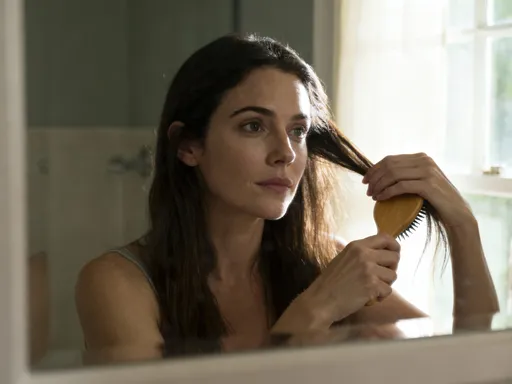
Switching to gentler practices can protect existing hair and support recovery. Using a wide-tooth comb or a soft-bristle brush minimizes breakage, especially when detangling wet hair, which is more vulnerable to damage. Limiting heat styling to once a week or using lower temperature settings helps preserve hair integrity. Air drying whenever possible reduces exposure to excessive heat. Choosing sulfate-free, fragrance-free, and paraben-free hair products supports scalp health without causing irritation. Natural oils like coconut oil or argan oil can be used sparingly to moisturize the ends and prevent split ends, though they should not be over-applied to the scalp if prone to oiliness.
Consistency is more important than intensity. Small, sustainable changes—such as wearing loose hairstyles, washing hair less frequently, and avoiding tight headbands—add up over time. The goal is not perfection but protection. By treating hair with care and minimizing additional stressors, you give your body the best chance to rebuild from within.
When to Seek Professional Guidance (And Why It Matters)
While many cases of hair loss can improve with lifestyle and dietary changes, some situations require professional evaluation. If shedding persists for more than six months, is accompanied by other symptoms like fatigue, weight changes, or skin issues, or results in visible bald patches, it’s important to consult a healthcare provider. A dermatologist or trichologist (a specialist in hair and scalp disorders) can help identify underlying medical conditions that may be contributing to hair fall.
Common conditions that mimic or cause hair loss include thyroid disorders, iron deficiency anemia, autoimmune diseases like lupus or alopecia areata, and hormonal imbalances such as PCOS. Blood tests can measure levels of ferritin, vitamin D, thyroid hormones (TSH, T3, T4), and other markers to determine if deficiencies or imbalances are present. In some cases, a scalp examination or biopsy may be needed to assess follicle health and rule out scarring alopecia or fungal infections.
Seeking professional guidance does not mean failure—it means taking informed action. A proper diagnosis allows for targeted treatment, whether that includes iron supplementation, hormone therapy, topical medications like minoxidil (which has FDA approval for certain types of hair loss), or other evidence-based interventions. It also helps prevent unnecessary spending on ineffective products or unproven remedies. Most importantly, it provides clarity and reassurance, reducing the anxiety that often accompanies unexplained hair loss.
The Long Game: Patience, Progress, and Realistic Hope
Hair recovery is not a sprint; it’s a marathon. The hair growth cycle is slow, with each strand taking months to mature and emerge visibly. Even after correcting nutritional deficiencies, reducing stress, and improving sleep, it may take three to six months before shedding decreases and new growth becomes noticeable. This delay can be discouraging, especially when results are not immediate. However, progress is often subtle—fewer hairs in the brush, less shedding in the shower, improved texture, or increased shine—and these small signs are worth celebrating.
Success should not be measured solely by volume or length. Healthy hair is resilient, strong, and less prone to breakage. It reflects a body that is regaining balance. The journey to healthier hair is, at its core, a journey toward better self-care. It invites you to listen to your body, honor its needs, and make choices that support long-term well-being. It’s about building habits that last—eating nourishing foods, managing stress, protecting your hair, and seeking help when needed.
Healing hair is not about achieving perfection. It’s about restoring function, confidence, and connection to your body. It’s about understanding that true change begins long before the mirror—with the choices you make every day. By focusing on what you can control and trusting the process, you create the conditions for natural recovery. And in doing so, you don’t just heal your hair—you heal your habits, one step, one day at a time.